
Arizona residents facing debt collection issues have specific rights protected by state and federal laws, including the FDCPA and Arizona's Consumer Fraud Act. Debt collector lawyers in Phoenix guide individuals on asserting these rights against abusive calls, threatening language, and false claims. Document interactions and seek legal counsel if rights are violated. These experts help navigate complex debt collection issues effectively and legally.
Debt collector calls can be a constant, stressful burden, especially for those navigating financial challenges in Arizona. The relentless nature of these calls can significantly impact one’s mental well-being and daily life. While it’s crucial to understand your rights as a consumer, many individuals feel trapped and unsure of their options. This article aims to provide a comprehensive guide to stopping debt collector calls legally, focusing on the specific regulations and rights in Arizona. Our expert debt collector lawyers in Phoenix offer insightful strategies, ensuring you can regain control over your financial situation and peace of mind.
Understanding Your Rights Against Debt Collectors in Arizona
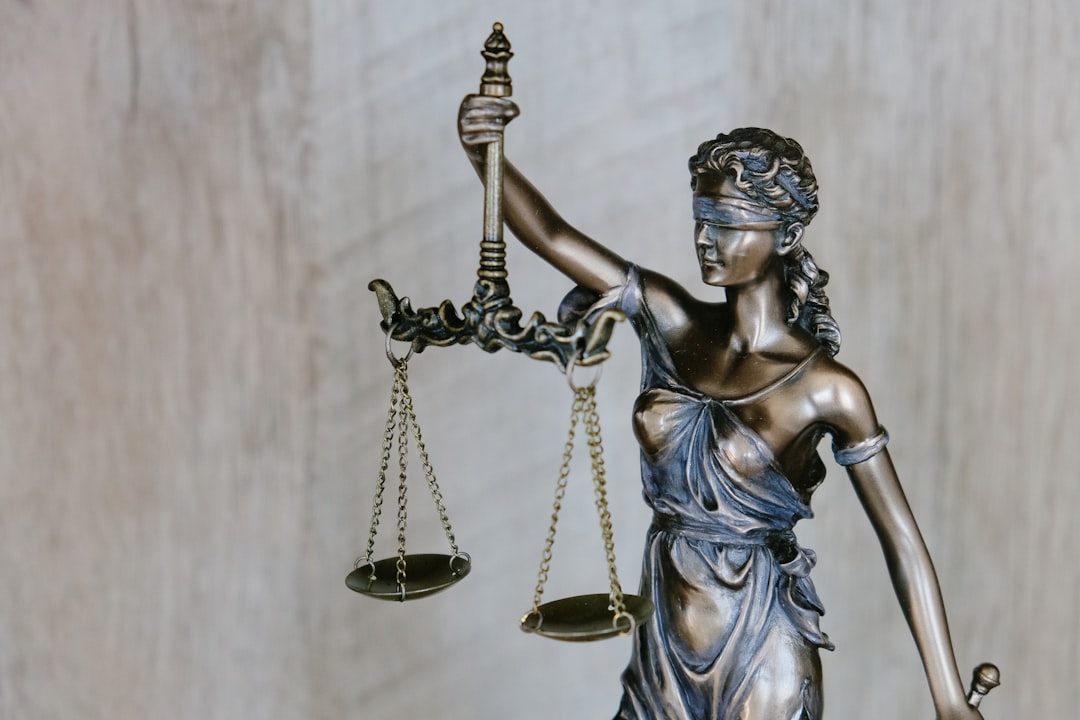
In Arizona, residents facing debt collection issues have specific rights protected by both state and federal laws. Understanding these rights is crucial when dealing with debt collectors. The Fair Debt Collection Practices Act (FDCPA) governs the behavior of debt collectors across the nation, including in Phoenix and throughout Arizona. This act prohibits abusive, unfair, or deceptive practices during debt collection efforts. For instance, debt collectors cannot call you before 8 a.m. or after 9 p.m., use threatening language, or falsely claim they can arrange for legal action if they cannot.
Arizona state law also offers additional protections. The Arizona Consumer Fraud Act and the Fair Credit Reporting Act (FCRA) give consumers rights to dispute inaccurate information in their credit reports and to be free from fraudulent or misleading debt collection practices. Debt collector lawyers in Phoenix can guide individuals on how to assert these rights, ensuring that collectors adhere to legal boundaries. For example, if a debt collector harasses or threatens you, it’s advisable to consult with a lawyer who can help document the incidents and potentially take formal action against the collector.
Knowing your rights is empowering. If you believe a debt collector has violated your rights, documenting the interactions and seeking legal counsel are essential steps. Debt collector lawyers in Phoenix can provide expert advice tailored to Arizona laws, helping individuals navigate complex debt collection issues effectively and legally.
Legal Strategies to Stop Unwanted Debt Collector Calls

In Arizona, unwanted debt collector calls can be a persistent and stressful issue for many residents. Fortunately, there are robust legal strategies available to stop these intrusions. A critical first step is understanding your rights under the Telephone Consumer Protection Act (TCPA), which restricts how debt collectors may communicate with consumers. One effective approach involves placing a formal “Do Not Call” request with both the state and federal governments. Arizona residents should also be aware that debt collection practices are regulated by state law, providing additional avenues for redress.
Seeking legal counsel from debt collector lawyers in Phoenix is highly recommended for several reasons. These attorneys specialize in navigating complex consumer protection laws and can provide tailored advice based on your unique situation. For instance, they may advise you to document all interactions with debt collectors, including the date, time, and content of each call, as this documentation can be crucial in legal proceedings. Moreover, debt collector lawyers can file formal complaints with regulatory bodies or even initiate litigation if necessary, ensuring that your rights are protected aggressively.
Practical advice includes maintaining a detailed log of calls, including any threatening or harassing language used by collectors. This documentation not only helps build a strong case but also serves as a deterrent to future violations. Additionally, consider obtaining a court order restricting communication from debt collectors if persistent harassment occurs. Debt collector lawyers in Phoenix can guide clients through this process, ensuring compliance with both state and federal regulations. Remember, understanding your legal options is paramount to stopping unwanted debt collector calls effectively.
When to Consult Debt Collector Lawyers Phoenix

If you’re being overwhelmed by debt collector calls in Arizona, it’s crucial to understand when to consult debt collector lawyers Phoenix. While many people try to navigate this situation on their own, legal counsel can be invaluable, especially when dealing with aggressive or persistent collectors. Debt collector lawyers Phoenix specialize in consumer rights and fair debt collection practices, ensuring that your rights are protected under both state and federal laws.
In Arizona, the Fair Debt Collection Practices Act (ADDCPA) mirrors federal regulations, aiming to prevent abusive, false, or misleading debt collection practices. Knowing these laws is essential; for instance, collectors must identify themselves, provide validation of the debt, and refrain from making threats or using obscene language. If a collector violates these rules, a Phoenix debt collector lawyer can help you file a complaint with the Arizona Attorney General’s Office or pursue legal action for damages.
The best time to consult debt collector lawyers Phoenix is when you feel your rights are being infringed upon, receive threatening or harassing calls, or if collection efforts significantly impact your mental health and well-being. Documentation is key; keep a record of all interactions with collectors, including dates, times, and a transcript of conversations. This evidence can be crucial in building your case. By proactively involving debt collector lawyers Phoenix early on, you can mitigate the situation, stop unwanted calls, and potentially recover damages for any emotional distress caused.