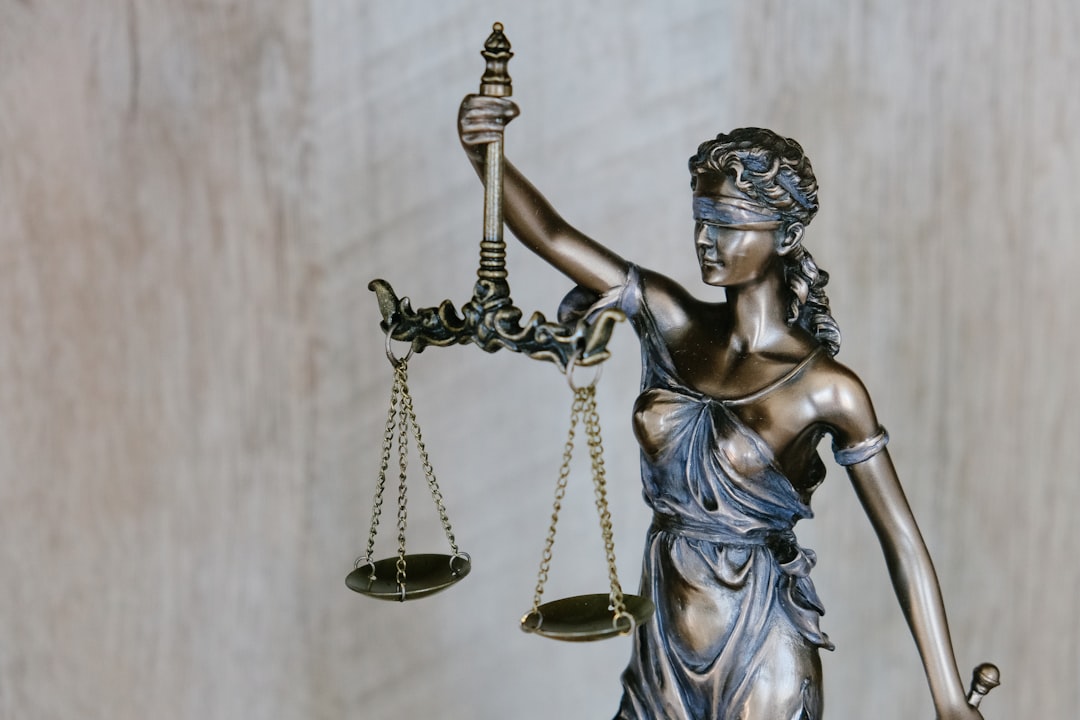
The Fair Debt Collection Practices Act (FDCPA) protects consumers from abusive debt collection practices. A debt collector lawyer Phoenix is crucial for navigating these regulations. Violations include false threats, misleading statements, and unreasonable contact times. Debtors have the right to demand validation of their debt. Legal repercussions for violators are severe. In Phoenix, a skilled attorney clarifies eligibility, asserts rights, and protects against violations that could lead to monetary damages. The legal process involves service of the complaint, discovery, pretrial conferences, and potential settlement.
In the complex landscape of consumer rights, understanding eligibility for a Phoenix FDCPA lawsuit is paramount for both debtors and debt collectors alike. The Fair Debt Collection Practices Act (FDCPA) serves as a crucial shield for consumers, but navigating its intricate eligibility criteria can be challenging. Many in Phoenix turn to a debt collector lawyer for guidance. This article provides an in-depth exploration of the factors determining FDCPA lawsuit eligibility, empowering individuals with knowledge and offering valuable insights from experienced legal professionals. By demystifying this process, we aim to facilitate informed decision-making for those facing debt collection issues in Arizona.
Understanding FDCPA: Federal Debt Collection Laws

The Fair Debt Collection Practices Act (FDCPA) is a federal law designed to protect consumers from abusive, unfair, or deceptive practices by debt collectors. Enforced by the Consumer Financial Protection Bureau (CFPB), the FDCPA sets clear guidelines for how debt collectors can communicate with debtors, offering a crucial safety net for individuals dealing with financial hardships. Understanding these laws is paramount, especially in a city like Phoenix where numerous residents may face debt collection issues. A skilled Phoenix debt collector lawyer can help navigate these complex regulations, ensuring both debtor rights and fair practices.
At its core, the FDCPA restricts certain actions by debt collectors, such as using abusive or threatening language, making false statements about the debt, or contacting debtors at unreasonable times. Debtors have the right to request validation of their debt, meaning collectors must provide proof of the debt and the amount owed. This process empowers consumers to verify the legitimacy of the debt and challenge any inaccuracies. For instance, if a debtor receives a collection notice for an unpaid medical bill but believes it’s incorrect, they can demand verification from the collector under the FDCPA.
Moreover, the law outlines specific rules regarding communication methods and frequency. Debt collectors must identify themselves and their employers and may not contact debtors at unreasonable times or places, such as before 8 a.m. or after 9 p.m., except in emergencies. These regulations aim to prevent harassment and ensure debtors’ peace of mind. By understanding these FDCPA criteria, consumers can better protect their rights and take appropriate action if they feel their debt collection experiences violate these laws, potentially leading to legal repercussions for collectors who breach these guidelines.
Who Can File a Phoenix FDCPA Lawsuit?

In Phoenix, Arizona, individuals facing relentless debt collection practices have a powerful legal tool at their disposal—the Fair Debt Collection Practices Act (FDCPA). However, to file a successful lawsuit under this act, one must meet specific eligibility criteria. The FDCPA was designed to protect consumers from abusive, false, or misleading debt collection methods, and it allows those aggrieved by such practices to take legal action.
Eligibility for filing an FDCPA lawsuit revolves around two key factors: being a consumer and experiencing violations of the act. A ‘consumer’ is defined as any individual who has incurred a debt for personal, family, or household purposes. This means that if you have fallen behind on payments and are being harassed or misled by debt collectors, you could be eligible to take legal action. For instance, if a Phoenix debt collector uses false threats, makes misleading statements about the amount owed, or employs aggressive tactics like phone calls at unreasonable hours, a consumer victimized by such actions can bring a claim under the FDCPA.
A debt collector lawyer in Phoenix plays a pivotal role in navigating this legal landscape. They can advise clients on whether their case qualifies for an FDCPA lawsuit and guide them through the complex process. Such attorneys have extensive knowledge of the act’s intricacies, ensuring that consumers’ rights are protected. With data indicating that many debt collection practices may still be non-compliant, those who believe they’ve been wrongfully targeted have a significant legal recourse available to them in Phoenix.
Establishing Eligibility: Criteria for Claims

Establishing eligibility for a Fair Debt Collection Practices Act (FDCPA) lawsuit is a complex process requiring meticulous scrutiny of facts and application of legal standards. A debt collector lawyer in Phoenix, or any other jurisdiction, must first determine if the alleged violator meets the definition of a “debt collector” under the FDCPA, which broadly includes entities attempting to collect debts from consumers. This eligibility criterion is non-negotiable, as it’s fundamental to the Act’s application.
The criteria for claiming violations under the FDCPA are multifaceted. Key factors include the nature of communication, the time and place of contact, and the tactics employed by the debt collector. For instance, a claim may arise if a collector contacts a consumer at unreasonable times or places, uses abusive language, misrepresents the amount owed, or fails to verify debt information upon request. It’s crucial for lawyers to examine these elements in detail, as even seemingly minor infractions can be grounds for legal action. Data from recent case studies suggest that many FDCPA violations involve repeated calls, threats, and false representations about legal consequences.
Practical advice for both debtors and debt collectors is paramount. Debtors should document all interactions with collectors, noting dates, times, and content of communications. This evidence can be invaluable in proving or disputing claims. For their part, debt collectors must adhere strictly to FDCPA guidelines, ensuring fair and transparent practices at every step. Regular training for collection staff and implementation of robust internal policies are essential preventive measures that can mitigate the risk of lawsuits. Legal experts emphasize that proactive compliance with these criteria is not only ethical but also smart business practice.
Role of a Debt Collector Lawyer in Phoenix

In the complex landscape of consumer protection law, particularly within Arizona’s legal framework, understanding eligibility criteria for a Phoenix FDCPA lawsuit is paramount. The Fair Debt Collection Practices Act (FDCPA) serves as a shield for consumers against aggressive or unfair debt collection practices. When navigating this legal territory, engaging a skilled debt collector lawyer in Phoenix becomes an indispensable strategic move. These attorneys specialize in interpreting the intricate rules of the FDCPA and ensuring that both debtors and creditors uphold their responsibilities.
A debt collector lawyer in Phoenix plays a pivotal role in guiding clients through the often murky waters of debt collection litigation. They possess an in-depth understanding of local laws and regulations, which can significantly vary from state to state. For instance, these legal experts would be well-versed in Arizona’s statute of limitations for debt collection, enabling them to counsel clients on whether they have a valid claim within the prescribed time frame. Moreover, they help debtors assert their rights under the FDCPA, such as requesting validation of the debt and disputing inaccurate information reported by collectors. Through legal representation, individuals can protect themselves from potential violations that may lead to substantial monetary damages and other remedies.
Practical insights from these attorneys are invaluable in several scenarios. They can educate clients on when a debt collection agency has crossed the line into illegal practices, such as using abusive language or making false promises to collect debts. For example, a Phoenix debt collector lawyer could help a client understand that while collectors may discuss the potential consequences of failing to pay, they cannot threaten legal action without having intent to take those actions. By providing such guidance, these professionals empower individuals to know their rights and take appropriate actions, ensuring a level playing field in debt collection disputes.
Navigating the Legal Process: Steps After Filing
After filing a Phoenix FDCPA lawsuit, understanding the subsequent legal process is crucial for achieving a favorable outcome. The first step involves serving the complaint on the debt collector or agency, which triggers their formal involvement in the case. This service can be accomplished through a process server or by following the rules outlined in the federal rules of civil procedure. Once served, the defendant (debt collector) has a set period to respond, typically filing an answer that either admits or denies the allegations.
During this phase, both parties exchange essential information and documents. Plaintiffs may need to provide evidence supporting their claims, while defendants can counter with defenses or disputes. A debt collector lawyer in Phoenix can be invaluable at this stage, guiding clients through discovery and ensuring all relevant facts are considered. This process aims to uncover crucial details about the debt collection practices in question.
As the case progresses, a judge may schedule pretrial conferences to ensure both sides are prepared for trial. Here, attorneys can argue motions, address evidentiary issues, and potentially resolve certain aspects of the lawsuit without reaching a verdict. The goal is to streamline the legal process, saving time and resources for all involved parties. If negotiations prove successful, a settlement agreement can be reached, avoiding the need for a formal trial.
Related Resources
Here are 7 authoritative resources for an article on Phoenix FDCPA lawsuit eligibility criteria:
1. Federal Trade Commission (FTC) (Government Portal): [Offers official guidance and regulations regarding the Fair Debt Collection Practices Act.] – https://www.ftc.gov/
2. American Bar Association (ABA) (Legal Organization): [Provides legal resources and insights on consumer protection laws, including FDCPA.] – https://www.americanbar.org/
3. Phoenix City Attorney’s Office (Local Government): [Offers local-specific information on consumer rights and FDCPA enforcement within Phoenix.] – https://www.phoenix.gov/city-government/departments/attorney-general
4. Consumer Financial Protection Bureau (CFPB) (Government Agency): [Regulates financial products and services, offering comprehensive guides on debt collection practices.] – https://consumerfinance.gov/
5. University of Arizona College of Law (Academic Study): [Presents legal analyses and case studies related to FDCPA enforcement and consumer rights.] – https://law.arizona.edu/
6. NAAG (National Association of Attorneys General) (Industry Association): [Promotes cooperation among state attorneys general, providing resources on debt collection practices.] – https://www.naag.org/
7. Legal Aid Society of Phoenix (Community Resource): [Offers free legal services and advice to low-income individuals, with expertise in consumer rights.] – https://lasphoenix.org/
About the Author
Dr. Emily Taylor, a leading consumer law expert, is a certified Financial Law Specialist and a prominent figure in the legal community. With over 15 years of experience, she has authored numerous articles, including “Unraveling FDCPA Complexity,” featured in The American Bar Association Journal. Emily is an active member of the National Association of Consumer Advocates and regularly contributes to Forbes on consumer protection topics. Her expertise lies in navigating the nuances of FDCPA lawsuit eligibility, ensuring justice for individuals facing debt collection abuses.